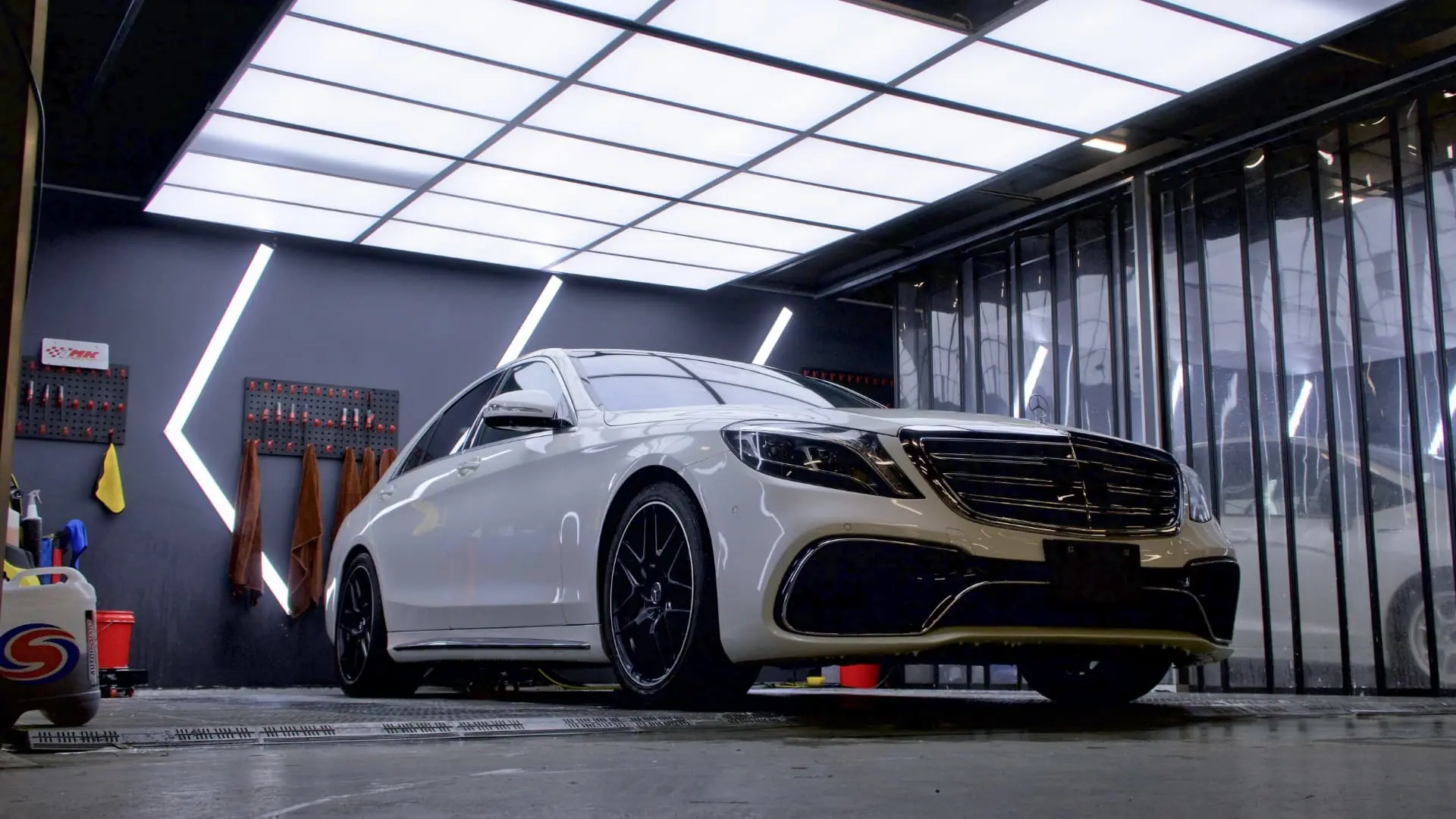
Confidence Pack access is included with both Ease Pack and Concierge. Optional detailing and a full car video can be requested with either service; extras are quoted separately.
Understanding your car's value
How this Australian car valuation estimate works
The calculator compares available advertised listings for similar cars, then uses your kilometres and selected condition to estimate a private-sale price range. It is a starting point for setting an asking price, not a promise of what a buyer will pay.
1. Confirm your car
Enter your plate and state, then check the vehicle details. You can enter details manually if you do not have a plate handy. Confirm the model and version, kilometres and condition.
2. Compare current listings
Available Australian marketplace listings provide the comparison. Similar cars can have different asking prices, so a range is more useful than treating one figure as exact.
3. Get your Valuation Certificate
Enter your email to open the free report and receive a copy. It includes your private-sale estimate, price range, trade-in comparison and the comparable listings behind the result. Marketing emails are optional.
Private-sale value versus trade-in value
Selling privately
A private-sale estimate helps you decide where to start your asking price when selling directly to a buyer. You manage the advertisement, enquiries, inspections and handover. Negotiation, preparation costs and the time needed to find a buyer affect the outcome.
Trading in with a dealer
A trade-in can reduce the work of selling. This calculator estimates trade-in value by applying a condition-based reduction to the private-sale estimate. It is not a dealer quote or a separate survey of dealer offers. An actual offer may differ after inspection.
The difference shown in your report compares two estimates. It is not guaranteed extra money or net profit. Weigh it against selling costs, your available time and any actual trade-in offers before choosing how to sell.
What can change your car's estimated value?
Vehicle details: year, model, version and kilometres affect which cars make a useful comparison.
Condition and history: damage, mechanical issues, service records and modifications can change what a buyer is willing to pay.
Local demand and timing: location, new listings and buyer interest can change the market after your estimate is generated.
Available evidence: rare, older or unusual cars may not have enough comparable listings for a useful estimate.
Important limitations
Advertised prices are asking prices, not verified final sale prices. The calculator does not inspect your car or verify its mechanical condition, service history or roadworthiness. It is not a formal valuation for insurance, finance or legal purposes, and it does not guarantee a sale price or time to sell. If there are not enough comparable listings, check the vehicle details rather than relying on an unsupported figure.
Review the comparable listings and confidence information in your report, and recheck the market when you are ready to advertise. Your Valuation Certificate records an indicative estimate, not an independent inspection or certification of the car.